
Coca Seed – Understanding the Erythroxylum Coca Botanical Heritage
Author: Dr. David Bennett | Back to Blog | Shop Seeds
The Story Behind the Coca Seed
Every coca seed tells a story — a botanical and cultural journey connecting science, ecology, and history.
The Erythroxylum coca plant, native to South America, has been cultivated for thousands of years for its ecological and ethnobotanical significance.
While widely known culturally, few understand the remarkable biology of the erythroxylum seed — a small, resilient structure sustaining an ecosystem of knowledge.
1️⃣ Botanical Description of the Coca Seed
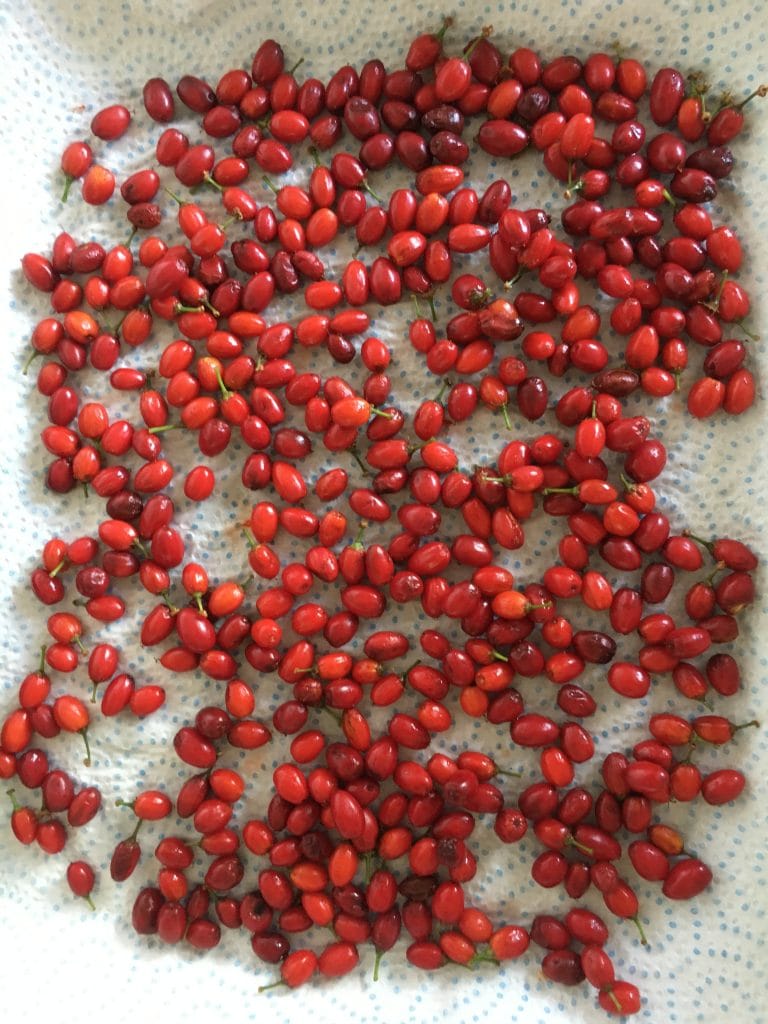
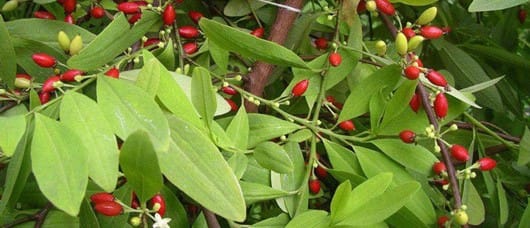
The erythroxylum seed is oval-shaped, slightly flattened, and dark brown. It develops inside a small red berry that ripens during the warm, humid season.
Each seed has a protective outer layer, nutrient-rich endosperm, and delicate embryo — all essential for germination and viability.
🧬 Botanically, Erythroxylum coca belongs to the Erythroxylaceae family, a tropical group known for complex alkaloid structures and adaptive evolution.
2️⃣ The Life Cycle of a Coca Seed
From seed to sprout, the coca plant undergoes a delicate life cycle:
- Seed Formation – inside mature berries
- Dormancy – dry storage during seasonal changes
- Germination – triggered by warmth and humidity
- Seedling Growth – emergence of initial leaves
- Maturation – woody stem development and berry production
Temperature and moisture sensitivity require careful monitoring in research propagation to preserve coca seed viability.
3️⃣ Cultural and Scientific Importance
Over centuries, erythroxylum seeds have symbolized more than just a plant. They connect traditional knowledge with modern science.
Ethnobotanical studies reveal the coca plant's roles in agriculture, medicine, and cultural rituals.
4️⃣ Conservation and Ethical Research
Modern botanical research emphasizes ethical preservation of coca species. Due to regional restrictions, authentic research materials (including seeds) are carefully documented and handled.
- Ethical collection
- Legal documentation
- Respect for indigenous origins
📩 Contact info@dbotany.com for verified research access or inquiries.
5️⃣ From Seed to Science – A Living Heritage
Each erythroxylum seed is a capsule of biodiversity. From the Andes to laboratories, it inspires research, conservation, and cross-cultural understanding.
🌱 Small in size, immense in history. For details on multiple seed varieties, read: Coca Seeds – Botanical and Ethnobotanical Overview
Thank you 👏👏👏