Coca Seeds in Botanical Science: Understanding Erythroxylum Coca Through Seeds and Seedlings
Coca Seeds have long been a subject of interest within botanical science, not for commercial or recreational purposes, but for their role in understanding plant evolution, biodiversity, and ethnobotanical history. Within the Erythroxylaceae family, Erythroxylum coca represents a scientifically significant species studied by taxonomists, botanists, and academic institutions worldwide.
In controlled research environments, coca seeds and verified seedlings are examined as botanical specimens that help document plant morphology, genetic variation, and ecological adaptation. This approach positions the species firmly within legitimate scientific and educational frameworks.
The Botanical Identity of Erythroxylum Coca
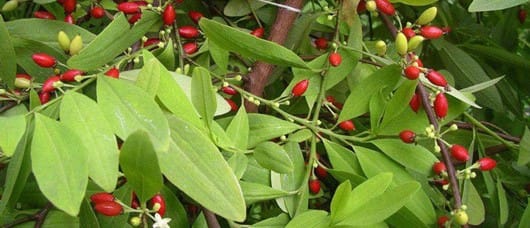
The Erythroxylum Plant genus includes over 200 documented species, many of which are visually similar yet genetically distinct. Erythroxylum coca is characterized by its evergreen foliage, subtle venation patterns, and small, delicate flowers commonly referred to in academic literature as the Erythroxylum Flower.
For a neutral botanical overview, see the scientific reference at Royal Botanic Gardens, Kew .
Why Coca Seeds Matter in Research Collections
From a scientific standpoint, Coca Seeds are valuable because they allow researchers to:
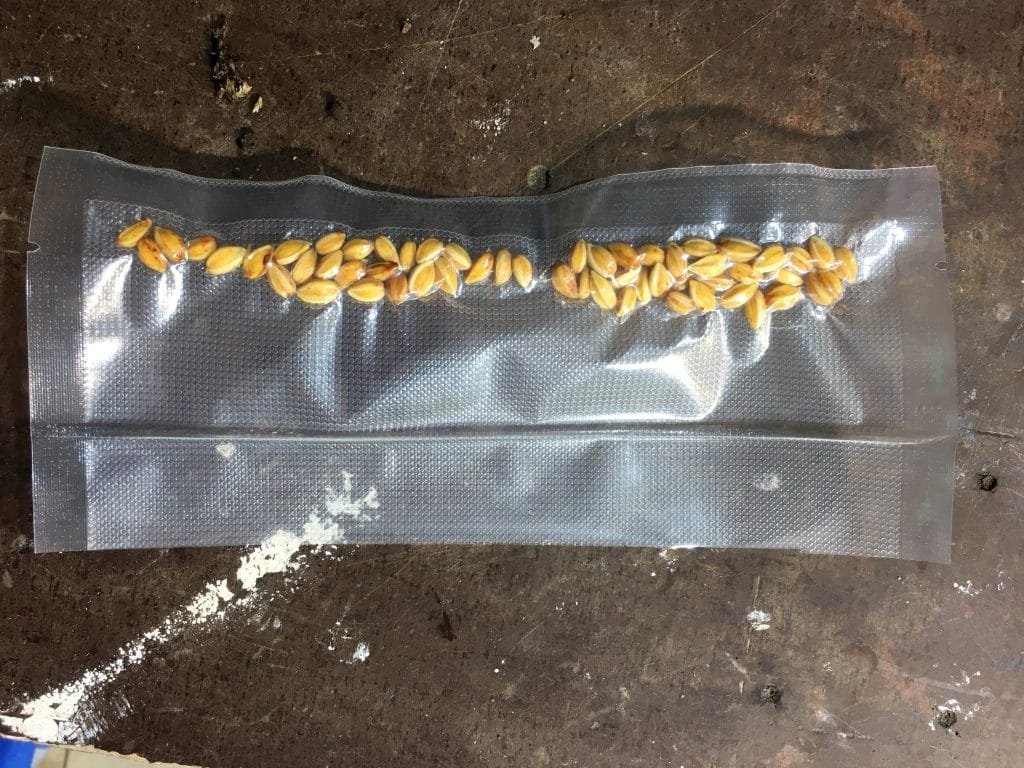
- Analyze seed morphology under microscopy
- Compare genetic markers across Erythroxylum species
- Document biodiversity within South American flora
- Preserve verified specimens for academic archives
Institutions focusing on ethnobotany and plant systematics often catalog seeds as reference material rather than for cultivation. This distinction is essential for maintaining ethical and regulatory compliance.
Seedlings as Morphological Reference Specimens
In botanical studies, Erythroxylum coca seedlings are used to observe early-stage plant development, including leaf symmetry, stem structure, and adaptive traits. These observations support comparative research between related species such as Erythroxylum novogranatense, sometimes informally referred to as Erythroxylum Novo.
You may explore a related botanical reference here: Erythroxylum novogranatense – Botanical Overview
Ethnobotanical Context Without Commercial Bias
Ethnobotany examines how plants intersect with human culture over time. In this context, Erythroxylum coca is studied as a cultural artifact and biological species, not as a consumer product. Seeds and seedlings are therefore framed as academic reference material rather than items of use.
This distinction aligns with modern research ethics and ensures that documentation remains compliant with international academic standards.
Preservation, Documentation, and Scientific Transparency
Accurate documentation of Coca Seeds, seedlings, and flowering characteristics allows scientists to maintain transparent records across botanical databases. Such records support ongoing studies in plant evolution, climate adaptability, and conservation biology.
Conclusion
Within legitimate botanical and academic frameworks, Coca Seeds represent an important component of plant science research. When viewed through the lens of taxonomy, ethnobotany, and biodiversity preservation, Erythroxylum coca remains a relevant and valuable species for scientific study.