
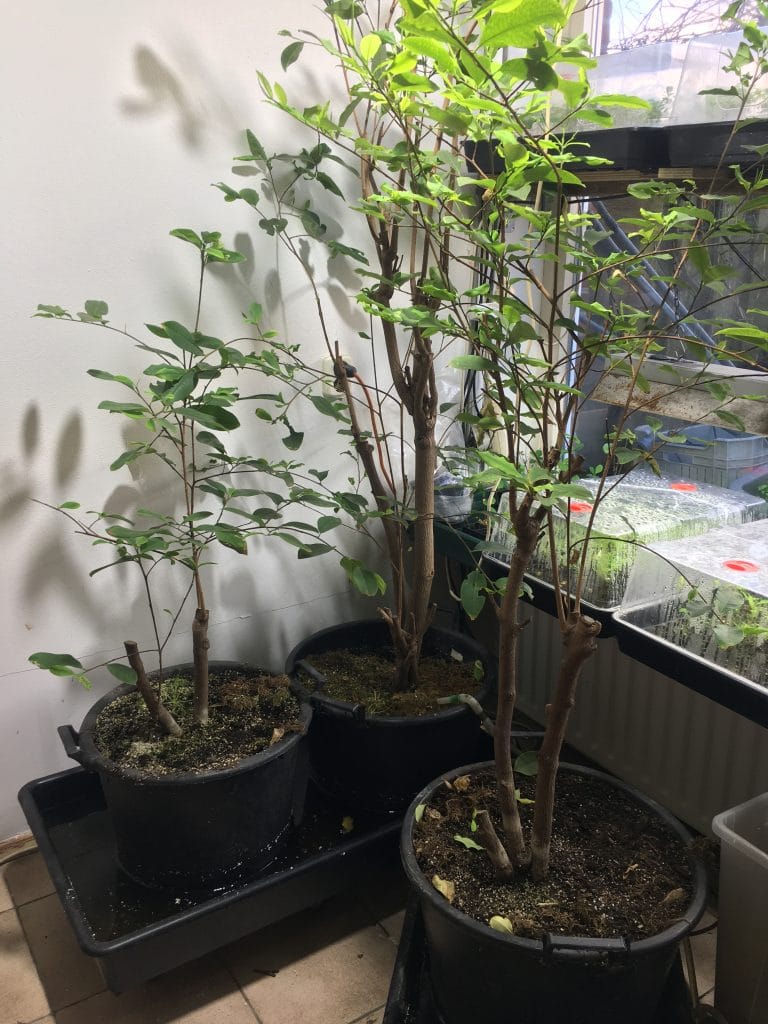
Erythroxylum Novogranatense Seeds: A Botanical Perspective
Erythroxylum novogranatense seeds represent an important subject within botanical research, seed conservation, and ethnobotanical studies. As a close relative of Erythroxylum coca, this species has long attracted the attention of researchers interested in plant adaptability, alkaloid biosynthesis, and tropical flora diversity.
At Dbotany, we document and preserve rare plant genetics by offering carefully sourced seeds strictly for academic, botanical, and collection purposes.
Understanding Erythroxylum Novogranatense
Erythroxylum novogranatense is a resilient shrub native to parts of South and Central America. Compared to other members of the Erythroxylaceae family, it is known for its higher tolerance to varied climates and soil conditions.
This adaptability makes erythroxylum novo seeds particularly valuable for controlled cultivation trials and comparative botanical research.
For a broader taxonomic overview, you may consult external academic resources such as Wikipedia’s Erythroxylum novogranatense entry.
Botanical Characteristics
- Family: Erythroxylaceae
- Growth form: Woody perennial shrub
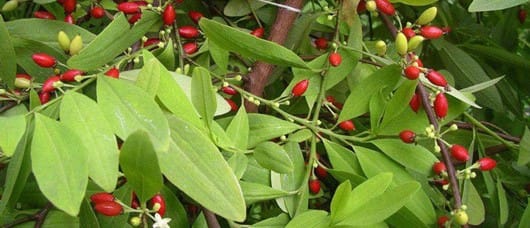
- Leaf structure: Narrow, glossy green leaves
- Flowers: Small, pale, and self-pollinating
Researchers often compare this species with Erythroxylum coca seeds to better understand genetic variation and environmental resilience.
Seed Germination & Cultivation Insights
Successful germination of erythroxylum novogranatense seeds depends on freshness, humidity control, and temperature stability. While germination times may vary, the species is generally considered more forgiving than many tropical plants.
- Soak seeds in clean, room-temperature water for 12–24 hours
- Use light, well-draining soil with mild acidity
- Maintain temperatures between 22–28°C
- Avoid direct sunlight during early growth stages
Due to these characteristics, the species is frequently included in academic greenhouse studies and private botanical collections.
Ethnobotanical & Research Importance
Historically, Erythroxylum novogranatense has been studied alongside other Erythroxylum plants to explore traditional plant usage, evolutionary biology, and chemical ecology.
Modern researchers examine this species to gain insights into:
- Plant alkaloid pathways
- Climate adaptability of tropical shrubs
- Comparative genetics within the genus
Seeds vs. Seedlings
While seeds allow long-term genetic preservation, some researchers prefer working with established plants. For comparative studies, you may also explore Erythroxylum coca seedlings, which offer immediate observation of plant morphology.
Both forms play complementary roles in botanical documentation and controlled cultivation projects.
Responsible Sourcing & Academic Use
All erythroxylum novogranatense seeds offered through Dbotany are intended exclusively for:
- Botanical research
- Academic study
- Private plant collections
No automated checkout is provided. Orders are handled through direct communication to ensure transparency and responsible distribution.
For more background about our mission, visit our About Us page.
Explore Related Resources
- Botanical Seed Collection
- Research & Plant Science Blog
- Erythroxylum Novogranatense Seeds Product Page
For inquiries or academic collaboration requests, contact us at info@dbotany.com.
Hi i would like to buy seedlings.
plz reply to my email.
👍👌😊