
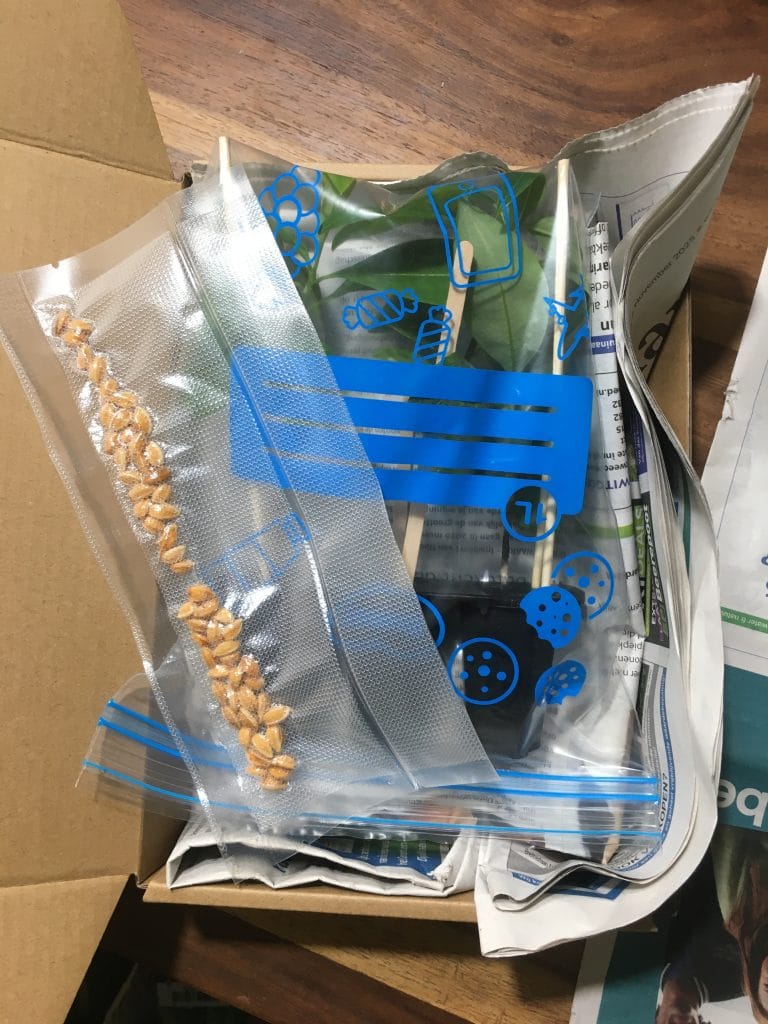
Coca Seedlings and the Botanical Significance of Erythroxylum Coca
The study of Coca Seedlings plays an important role in understanding the growth behavior, morphology, and adaptability of the Erythroxylum coca plant. As a member of the Erythroxylaceae family, this species has been examined for centuries in botanical, ecological, and ethnobotanical research.
At Dbotany, the focus remains on preserving scientific accuracy while documenting live plant development under controlled conditions. Coca seedlings offer researchers a rare opportunity to observe early-stage plant physiology beyond seed germination.
What Are Coca Seedlings?
Coca seedlings are young, actively growing plants cultivated from fresh Erythroxylum coca seeds. Unlike dormant seeds, seedlings have already passed the germination phase, making them valuable for comparative botanical observation and plant adaptation studies.
Researchers often compare seedlings with closely related species such as Erythroxylum novogranatense to evaluate differences in leaf structure, growth speed, and environmental tolerance.
Botanical Characteristics of Erythroxylum Coca Seedlings
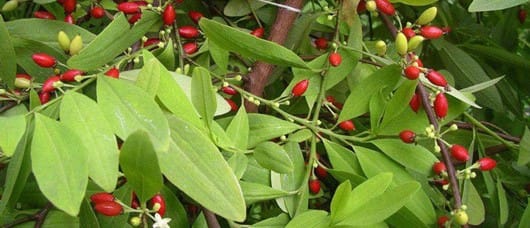
In their early stage, Erythroxylum coca seedlings display soft green leaves, flexible stems, and a shallow but expanding root system. These characteristics make them ideal subjects for greenhouse-based research and controlled-environment cultivation.
- Family: Erythroxylaceae
- Growth type: Evergreen shrub
- Leaf structure: Smooth, elliptical leaves
- Flower development: Small, pale flowers at maturity
The flowering stage of the Erythroxylum plant is particularly studied in long-term research, contributing to broader knowledge about Erythroxylum flower formation and pollination patterns.
Why Researchers Prefer Live Coca Seedlings
From a scientific perspective, live seedlings provide immediate access to plant metabolism and environmental response. Unlike seeds, which require strict freshness and germination timing, seedlings allow observation from an already stable growth phase.
This makes Erythroxylum coca seedlings especially relevant for:
- Botanical collections
- Plant morphology research
- Ethnobotanical documentation
- Comparative studies with Erythroxylum Novo varieties
Cultivation Environment and Observation Conditions
Under research conditions, coca seedlings are typically maintained in environments with moderate humidity, indirect light, and stable temperatures. These parameters allow consistent monitoring of plant responses without stressing the specimen.
According to botanical references such as Royal Botanic Gardens, Kew , controlled cultivation is essential for accurate plant study and documentation.
Related Resources and Live Specimen Reference
For those documenting live plant development, reference specimens can be reviewed through the Dbotany botanical catalog . In particular, the Erythroxylum coca seedlings (live plants) page provides detailed visual and descriptive documentation.
Additional background on the project and research focus can be found on the About Dbotany page, while ongoing articles are published regularly in the botanical blog section .
Conclusion
The study of Coca Seedlings contributes to a deeper understanding of the Erythroxylum coca plant’s early development, resilience, and botanical significance. When examined responsibly and scientifically, live seedlings offer insights that seeds alone cannot provide.
As interest in Erythroxylum seeds, live plants, and comparative species continues to grow within academic circles, accurate documentation remains essential for preserving botanical knowledge.
Hi i would like to buy seedlings and seeds.
Lets start with seedlings.
😊😊