
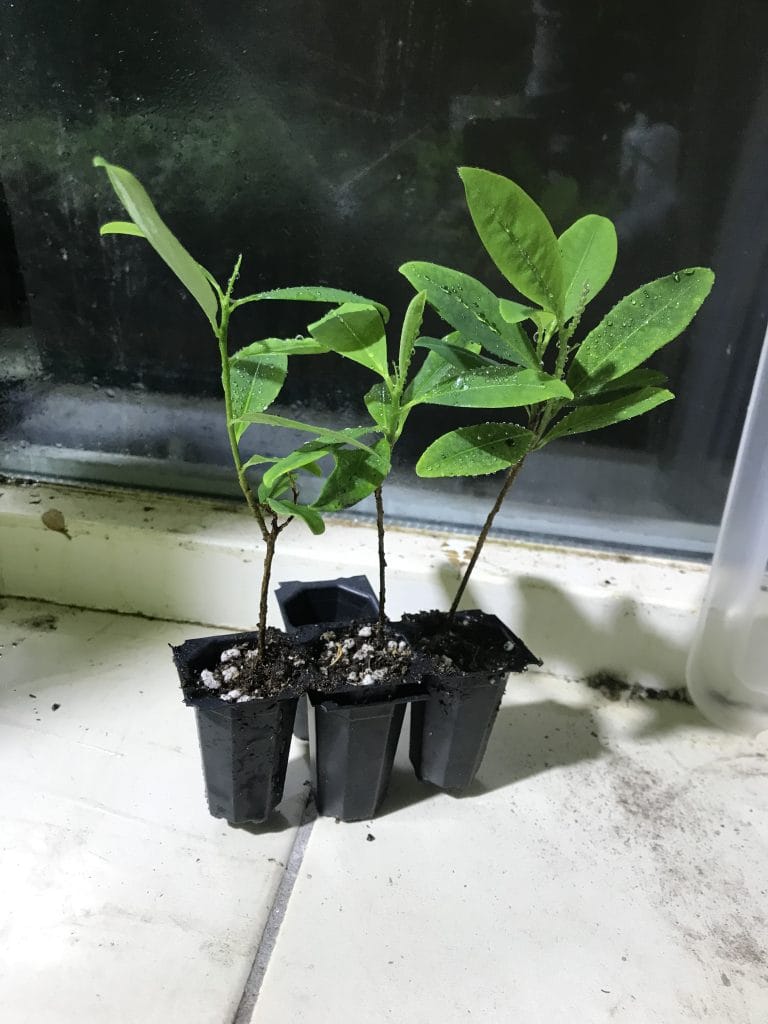
Erythroxylum Seeds & Plants: Botanical Insights and Research Outlook for 2026
As botanical research continues to evolve, the Erythroxylum plant genus remains a subject of sustained academic and horticultural interest. From Erythroxylum coca seeds to Erythroxylum novogranatense plants, researchers and collectors alike are exploring new cultivation methods, seed preservation techniques, and comparative studies.
As we close 2025 and look toward 2026, this article provides a structured botanical overview of Erythroxylum seeds, seedlings, and plants, based on current research-oriented cultivation practices.
Understanding the Erythroxylum Plant Genus
The Erythroxylum genus consists of more than 200 species, many of which are native to South and Central America. Among these, Erythroxylum coca and Erythroxylum novogranatense are the most widely documented due to their ecological adaptability and botanical significance.
Key research areas include:
- Seed morphology and viability
- Seedling acclimatization in controlled environments
- Soil and humidity response across species
For a general overview of available specimens, visit the Dbotany botanical collection.
Erythroxylum Seeds: Research Value and Cultivation Focus
Erythroxylum seeds are biologically active and sensitive to storage conditions. Freshness, humidity control, and substrate selection are key variables in successful germination.
| Factor | Recommended Range | Research Purpose |
|---|---|---|
| Temperature | 22–28°C | Seed activation |
| Humidity | 65–80% | Embryo protection |
| Soil Type | Light, well-draining | Root development |
| Light | Indirect | Seedling stability |
Researchers often compare Erythroxylum coca seeds with Erythroxylum novogranatense seeds to evaluate resilience and growth response.
Seedlings vs Seeds: A Botanical Perspective
While seeds provide insight into early plant development, live seedlings allow researchers to observe post-germination adaptation more directly.
- Seeds: ideal for germination and lifecycle studies
- Seedlings: useful for morphology and stress-response observation
- Plants: suitable for long-term botanical documentation
Live specimens can be explored through Erythroxylum coca seedlings for comparative research.
FAQ – Erythroxylum Research Questions
Why are Erythroxylum seeds important in botanical studies?
They provide insight into germination biology, species adaptation, and early-stage plant development.
Are coca and novogranatense plants studied together?
Yes. Their similarities and differences make them ideal for comparative botanical research.
Looking Ahead to 2026
As we enter 2026, interest in Erythroxylum plants continues to shift toward controlled cultivation, seed preservation, and ethical botanical research.
Dbotany remains committed to providing accurate botanical information and responsibly curated plant materials for researchers, collectors, and academic institutions worldwide.
Explore additional resources via the Dbotany Blog or learn more about our mission on the About Us page.
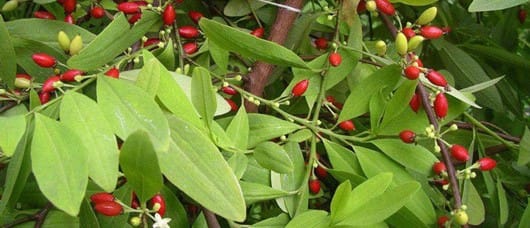
Any way to get free Erythroxylum coca seeds or clone? Please let me know im in Ohio, USA. Thanks
For questions and orders, please send an email.