Coca Seeds – Understanding Erythroxylum Coca & Novogranatense
Author: Dr. David Bennett | Back to Blog | Shop Seeds
Introduction to Coca Seeds
Coca seeds are more than just seeds; they are a gateway to understanding Erythroxylum coca and Erythroxylum Novogranatense species. Cultivated for centuries in South America, these seeds are used in botanical research, cultural studies, and specialized cultivation.
Whether you are a collector, researcher, or botany enthusiast, learning about coca seeds and seedlings provides insights into plant biology, germination, and ethical cultivation practices.
1️⃣ Botanical Characteristics of Coca Seeds
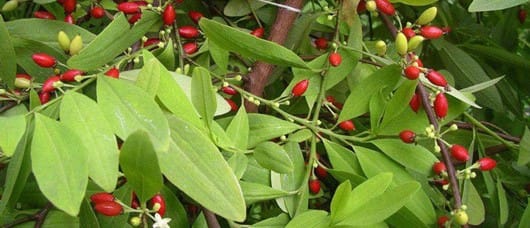
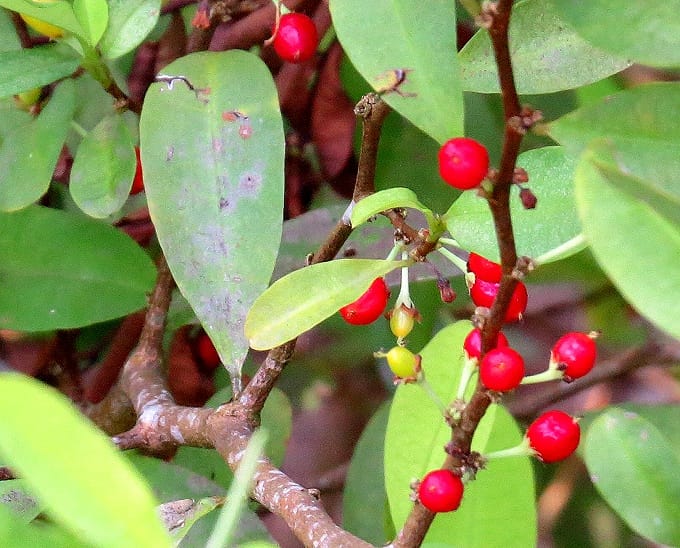
Coca seeds are small, dark brown, oval-shaped, and slightly flattened. Each seed is contained within a red berry, which ripens in warm and humid climates.
- Seed coat: Protects against desiccation
- Endosperm: Nutrient-rich layer supporting early growth
- Embryo: Core that develops into the seedling
These seeds belong to the Erythroxylaceae family, a tropical group known for adaptive evolution and unique alkaloid profiles.
2️⃣ Germination and Seedling Care
Proper germination of coca seeds ensures healthy seedlings:
- Pre-soak seeds in lukewarm water for 6–8 hours
- Use a sterile substrate like coco peat + perlite
- Plant seeds shallowly (≤0.5 cm deep)
- Maintain humidity and warmth with a dome or perforated cover
- Provide indirect sunlight for 12–14 hours/day
- Patience: Germination may take 15–30 days
After germination, gradually acclimate coca seedlings to light and air, and wait until 4–6 true leaves appear before transplanting.
3️⃣ Life Cycle of Erythroxylum Coca & Novogranatense Seeds
The coca plant’s life cycle includes:
- Seed formation in mature berries
- Dormancy during dry or seasonal periods
- Germination triggered by warmth and moisture
- Seedling growth and leaf emergence
- Maturation, woody stem development, and berry production
4️⃣ Cultural and Scientific Significance
Coca seeds have played essential roles in South American cultures, medicine, and agriculture. Modern ethnobotanical studies use these seeds to investigate climate adaptation, plant biology, and biodiversity conservation.
🔗 Learn more on Erythroxylum genus (Kew Gardens).
5️⃣ Conservation and Ethical Propagation
Ethical collection and proper documentation of coca seeds are crucial. Ensure all research and cultivation respects indigenous knowledge and legal restrictions.
- Ethical sourcing of seeds
- Compliance with legal requirements
- Respect for cultural and ecological origins
📩 Contact info@dbotany.com for access or inquiries regarding verified coca seeds.
Conclusion – Seeds as a Living Heritage
Each coca seed carries the legacy of biodiversity and cultural heritage. From the Andes to research labs, these seeds are a bridge between science and nature.
🌱 Explore our collection of coca seeds and seedlings to start your botanical journey today.