The Scientific Importance of Erythroxylum Coca Seeds and Seedlings in Modern Botany
The species Erythroxylum coca remains one of the most studied plants within the Erythroxylaceae family due to its historical, cultural, and botanical relevance. While commonly known for its ethnobotanical associations, the plant itself holds significant importance for researchers examining genetic diversity, morphological traits, and the evolutionary patterns of the broader Erythroxylum Plant genus.
Within scientific collections, Erythroxylum coca seeds and verified seedlings serve as reference material that helps researchers analyze ecological adaptation and plant lineage across related South American species such as Erythroxylum novogranatense.
Erythroxylum Coca in Botanical Research
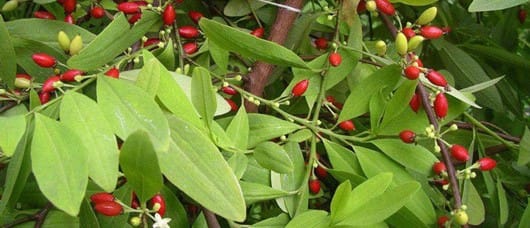
Documented extensively in academic literature, Erythroxylum coca exhibits distinctive leaf venation, smooth stem structure, and elegant flower morphology often described as the Erythroxylum Flower. Researchers use these traits to compare the species with others in the genus. For general scientific background, see the detailed article on Erythroxylum coca (Wikipedia).
The Role of Seeds in Taxonomy & Genetic Study
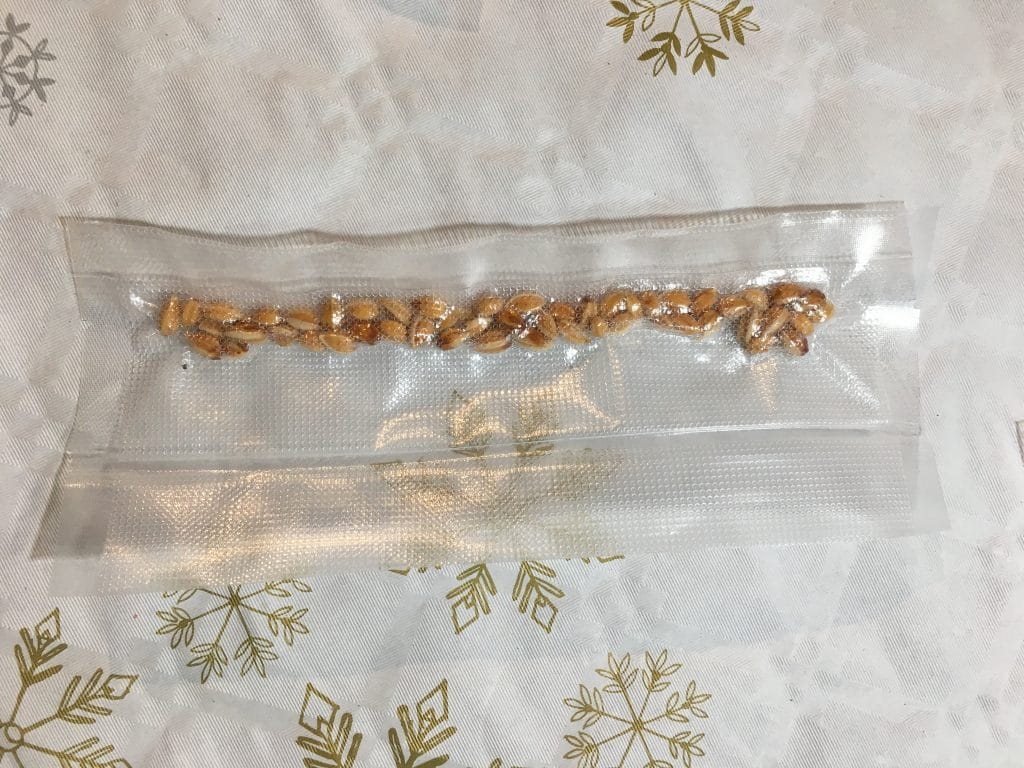
Accurately documented Erythroxylum coca seeds are essential for:
- Genetic lineage comparison within Erythroxylaceae
- Microscopic examination of seed coat structure
- Long-term botanical archiving and herbarium cataloging
- Ethnobotanical biodiversity assessments
Botanical institutions rely on seed material that has clear provenance, ethical documentation, and scientific relevance. This ensures that research remains transparent and academically valid.
Seedlings and Morphological Observation
In academic environments, Erythroxylum coca seedlings play an important role in the study of early-stage plant morphology. Researchers focus on:
- Leaf formation patterns
- Early stem development
- Comparative growth characteristics between species in the Erythroxylum genus
These observations help determine how different species express evolutionary divergence within the same botanical family.
Comparative Studies with Erythroxylum Novo
One of the most useful comparisons in taxonomy involves Erythroxylum coca and Erythroxylum novogranatense (often referred to as Erythroxylum Novo). Researchers analyze:
- Leaf shape variation
- Floral morphology differences
- Seed coat microstructure
- Ecological adaptability
For a botanical reference on Erythroxylum , you may see: Erythroxylum – Scientific Reference Page
The Botanical Legacy of Erythroxylum Coca
Beyond its historical context, Erythroxylum coca holds long-standing value in fields such as plant taxonomy, cultural botany, and biodiversity preservation. Its seeds, seedlings, and flowers — collectively contributing to the species’ scientific identity — offer critical insights into the evolutionary pathways of the Erythroxylum Plant group.
Conclusion
As research on tropical flora expands, Erythroxylum coca seeds and seedlings continue to serve as essential academic resources. Their role in genetic analysis, morphological documentation, and comparative botanical studies ensures that the species remains a cornerstone of modern plant science.