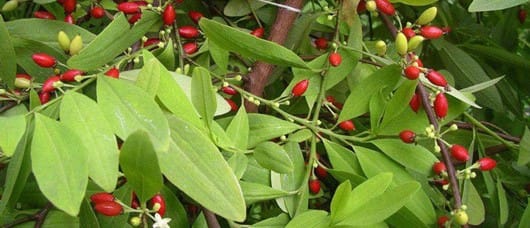
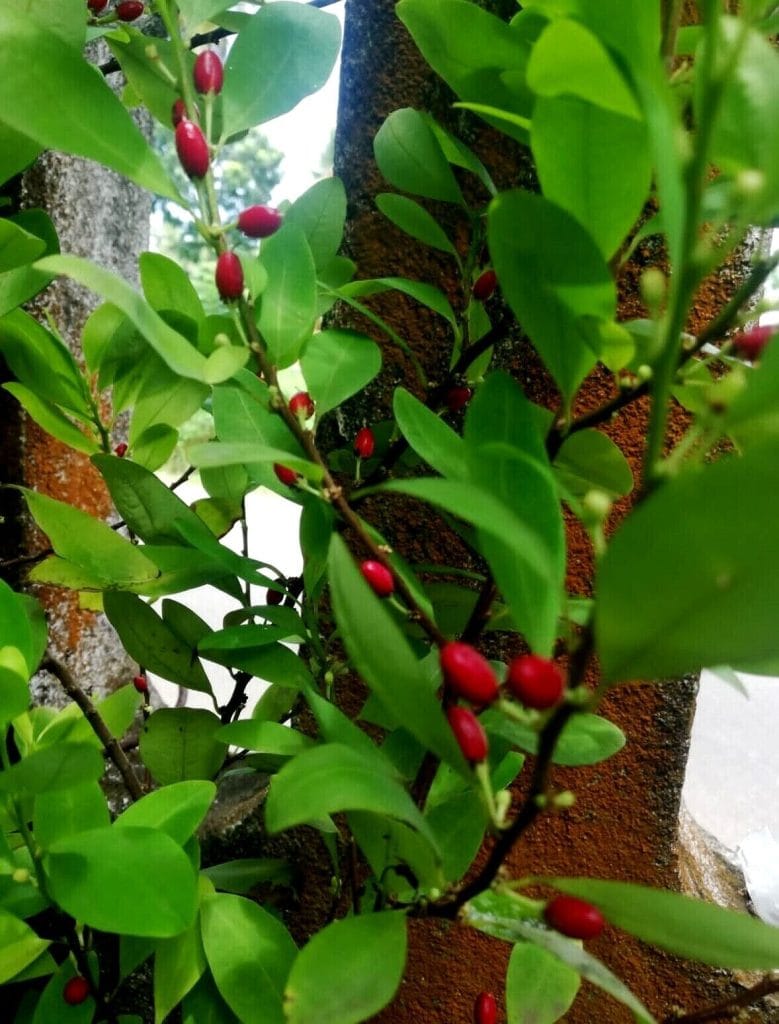
🌿 Erythroxylum Coca Seeds – The Heritage of the Andes
Published: • Category: Botany, Ethnobotany, Research
Ancient Roots and Cultural Significance
Erythroxylum coca has been intertwined with Andean culture for thousands of years, valued for its symbolic, medicinal, and traditional roles. Today, it remains a key subject in ethnobotanical research, anthropology, and plant science.
Botanical Profile & Scientific Interest
The species belongs to the Erythroxylaceae family and is known for its distinctive leaf morphology, ecological adaptability, and unique alkaloid biosynthesis pathways. Researchers study the plant for insights into metabolic processes, genetic variation, and evolutionary adaptation.
General Academic Notes on Cultivation (Non-Operational)
In academic or regulated research environments, Erythroxylum coca may be studied under strict legal authorizations. Plant scientists typically consider broad factors such as environmental consistency, substrate quality, long-term growth patterns, and controlled research conditions.
To comply with legal and ethical standards, the following information remains strictly high-level and non-actionable:
- Researchers often assess environmental stability, climate compatibility, and ecological requirements at a conceptual level.
- Germination studies, when permitted, focus on theoretical developmental stages rather than operational procedures.
- Academic publications typically emphasize plant physiology, morphological observations, and biochemical profiling rather than practical cultivation steps.
- Any research involving live specimens requires adherence to institutional approvals, local laws, and international regulations.
Ethical & Legal Considerations
Because the plant contains naturally occurring alkaloids, its handling, transportation, and research use are often regulated. Universities and laboratories work under controlled permits, ensuring full compliance with national and international standards.
Further Reading & Related Species
Keywords
FAQ
Is Erythroxylum coca legal to grow?
Laws vary by country. In many regions the plant is strictly controlled. Always consult official regulations and obtain proper permits for any academic or institutional work.
Does this article include cultivation steps?
No. To comply with legal and ethical requirements, this page provides only general, non-operational scientific context.