🌿 Erythroxylum novogranatense – Botanical Profile & Scientific Overview
Erythroxylum novogranatense is a well-documented species within the Erythroxylaceae family, recognized for its cultural significance, ecological adaptability, and scientific relevance. This article provides an academic, non-operational summary suitable for researchers, students, and plant enthusiasts interested in South American flora.
🌍 Taxonomy & Classification
The species belongs to a notable group of flowering plants that have evolved across diverse ecological niches. E. novogranatense is often compared with its close relatives due to shared morphological traits and unique regional adaptations.
🌱 Botanical Characteristics
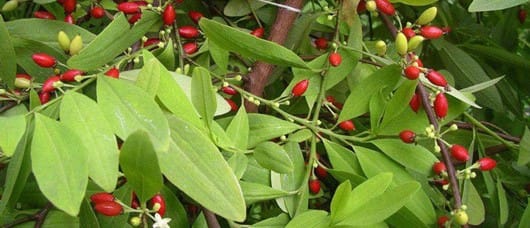
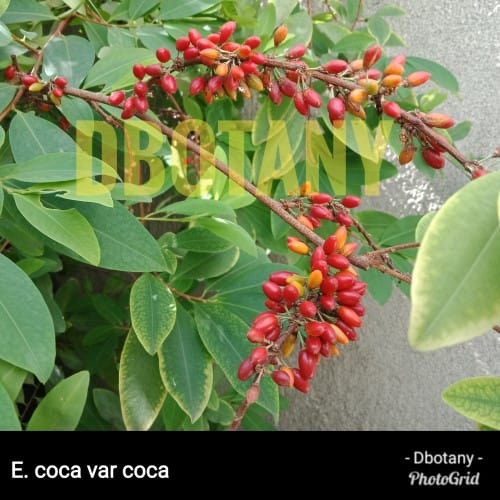
Its morphology includes distinctive leaf patterns, woody stems, and growth behavior typical of many members of its genus. These characteristics make the plant valuable for scientific studies involving plant evolution, taxonomy, and phytochemical pathways.
🏞 Natural Habitat
Erythroxylum novogranatense naturally appears in semi-arid and montane environments across parts of northwestern South America. Its resilience to ecological variations has made it a subject of interest in environmental and evolutionary research.
📚 Cultural & Historical Relevance
The species holds deep anthropological interest due to its long-standing associations within regional traditions. Scholars often examine it in relation to trade history, cultural practices, and ethnobotanical context.
🔬 Scientific Importance
Researchers explore this plant for its phytochemistry, bioactive compounds, ecological adaptation, and genetic diversity. Its comparative traits also support studies in evolutionary biology and plant-environment interactions.
ℹ Legal & Academic Notice
This article provides general, high-level, non-operational botanical information. Any form of technical cultivation steps, processing details, or actionable guidance is intentionally excluded due to legal regulations in many regions.