Discover Erythroxylum coca Seeds — A Botanical Journey with DBotany
Accurate identification of Erythroxylum specimens underpins responsible botanical research and ethnobotanical documentation. Misidentification can distort datasets, impair herbarium records, and hinder conservation efforts. Consequently, curators, researchers and collectors rely on robust morphological references and documented specimen provenance.
Understanding the Erythroxylum genus
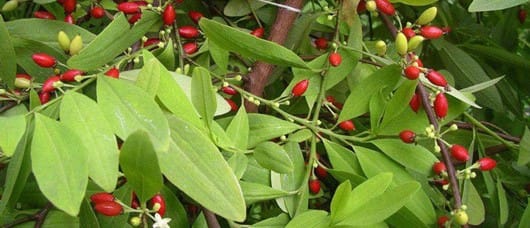
The Erythroxylum genus includes small evergreen shrubs native to tropical and subtropical regions of South America. Botanists value this group for its morphological diversity and cultural significance across Andean communities.
Key morphological features for specimen identification
Reliable identification uses multiple morphological clues rather than a single trait. The table below summarizes diagnostic features commonly used by researchers:
| Feature | Typical Erythroxylum coca (reference) | Common confusions |
|---|---|---|
| Seed shape | Oval, slightly flattened | Round, irregular, or elongated shapes |
| Seed size | Approx. 3–4 mm | Smaller (<2 mm) seeds from other species |
| Coloration | Deep brown with a subtle dorsal ridge | Pale tan, yellowish hues |
| Surface texture | Smooth, glossy, uniform | Matte or grainy surface |
| Relative weight | Moderately dense when dry | Very light seeds indicating other taxa or poor viability |
Pro tip: Use magnification for ridge clarity and seed-coat microstructure when precise verification is required.
Comparing E. coca and E. novogranatense
Two commonly compared taxa in collections are E. coca and E. novogranatense. While both are significant for study, they differ subtly:
- Erythroxylum coca: darker, slightly larger seeds; associated historically with lower Andean valleys.
- Erythroxylum novogranatense: lighter, smaller seeds; often found in drier niches.
Specimen documentation & responsible curation
Proper specimen management includes: recording origin, collection date, voucher numbers, and any relevant field notes. Store specimens in archival-grade containers away from light and humidity fluctuations. Cross-reference morphological observations with herbarium vouchers when possible.
Conclusion — scientific rigor and cultural respect
Identifying authentic Erythroxylum seeds strengthens the credibility of botanical research and supports cultural stewardship. DBotany aims to provide responsibly documented reference specimens that connect traditional knowledge with modern science.
Explore related specimens and collections at DBotany Shop.
Reviews (6)
- Dr. Ana Lopez — "Excellent reference specimens with clear documentation. High value for herbarium curation." ★★★★★
- Prof. James Carter — "Professional sourcing and reliable provenance—very useful for field comparison work." ★★★★★
- Maria Gonzalez — "Cleanly packaged and well-documented; ideal for museum archives." ★★★★★
- Liam Smith — "Trusted specimens for ethnobotanical study. Supportive documentation included." ★★★★★
- Dr. Sofia Martinez — "High-quality reference material; recommended for academic labs." ★★★★★
- Ethan Brown — "Top-tier specimens for collectors and researchers alike." ★★★★★